How a painting is made
Almost everything sold as wall art is a printed image. It is cheap, it is fast, and up close it looks exactly like what it is. We do the slower thing instead: a painter, a blank canvas, oil paint.
Why a reproduction rather than a print
The paintings people love are almost all in museums, and they are not for sale. A print gives you the image. It does not give you the surface, the thickness of the paint where the brush lifted, or the way oil catches light differently across a room.
A hand-painted reproduction is the closest most people will get to owning the thing itself. It is not a forgery and carries no false signature. It is a painting of a painting, made by someone who had to solve the same problems the original painter did.
Nothing is made before you order it. There is no warehouse of finished canvases waiting for a buyer.
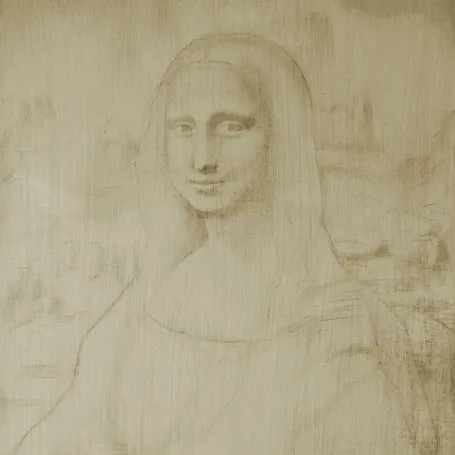
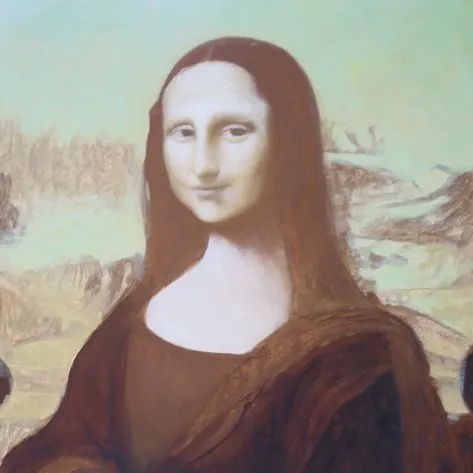
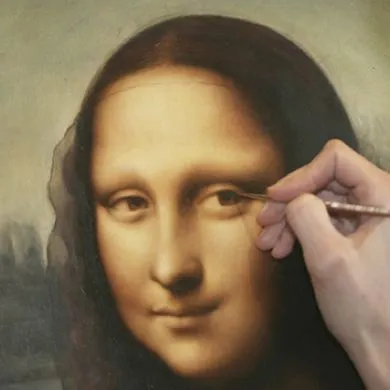
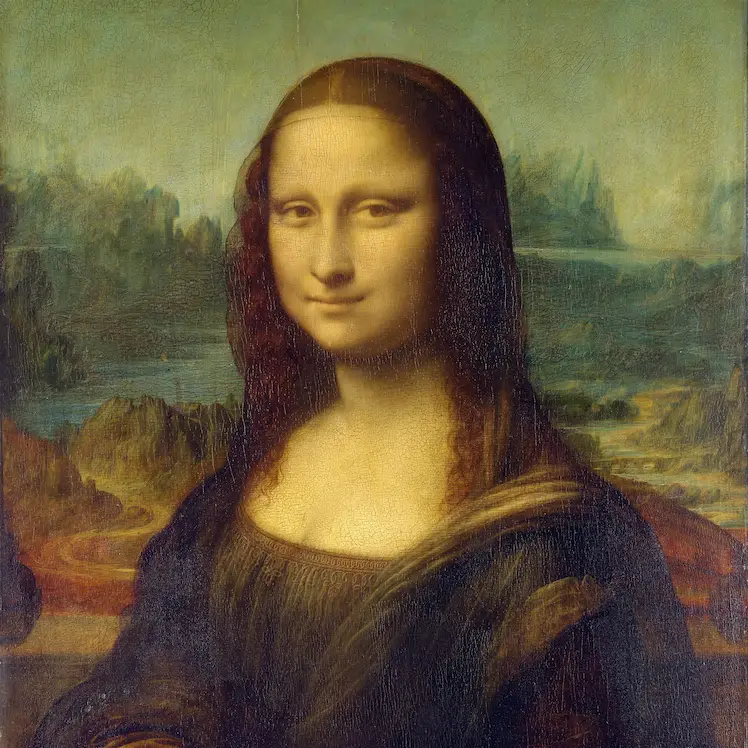
How it actually works
What we will not do
We do not reproduce work that is still in copyright, which rules out most twentieth-century painting. We do not sell prints alongside the paintings and call both art. And we do not pretend a reproduction is an original, because the point of owning one is that you know exactly what it is.
Where the collection comes from
Six centuries of painting, from the Renaissance through the Dutch Golden Age, Romanticism, the Impressionists and beyond. Some of it is famous. A lot of it is work you will not have seen before, by painters who were well known in their own time and quietly slipped out of the story.
If the painting you want is not among them, send it to us. That is a normal part of what we do, not a special request.
Browse the collection, or tell us what to paint if it is not there.