Kandinsky's Compositions and Improvisations
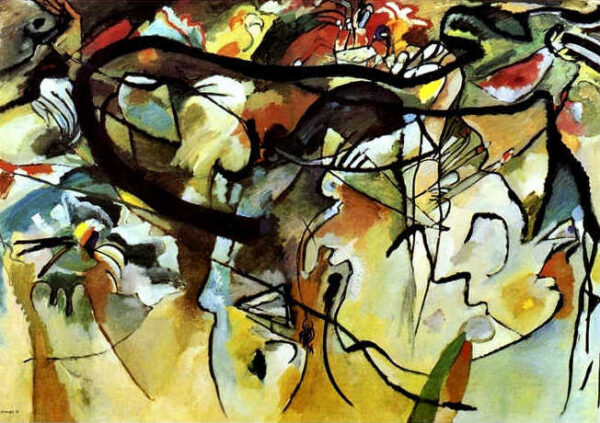
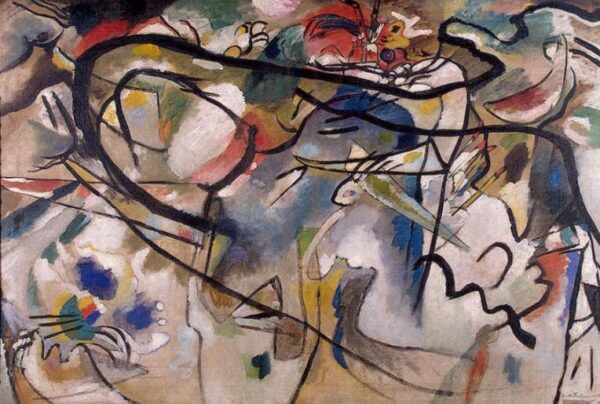
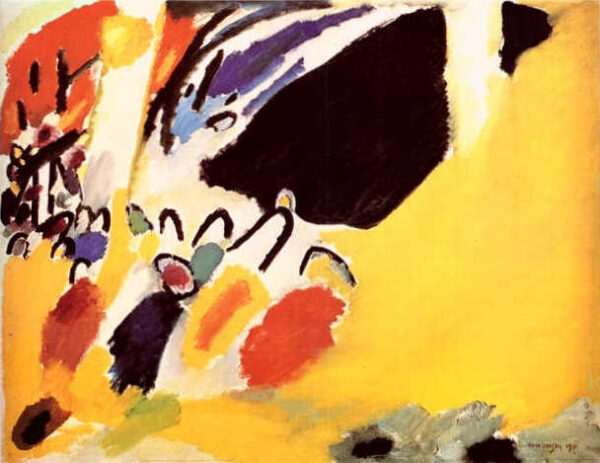
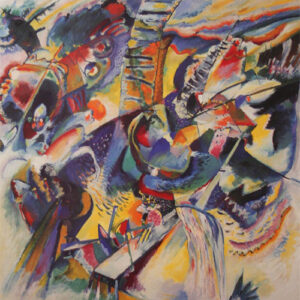
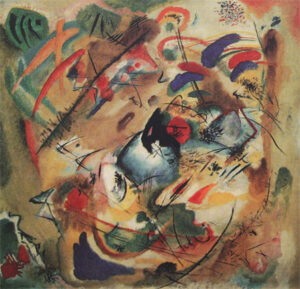
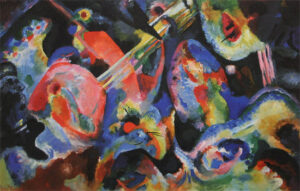
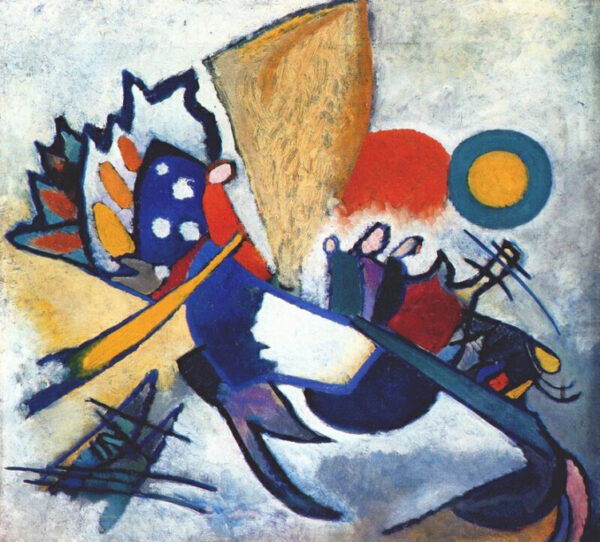
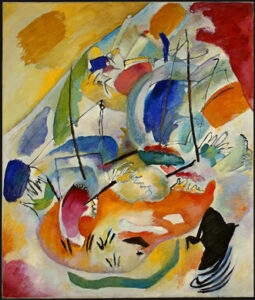
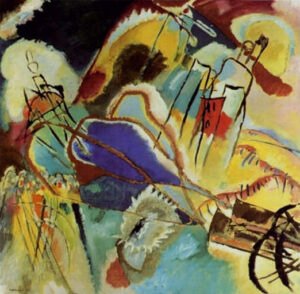
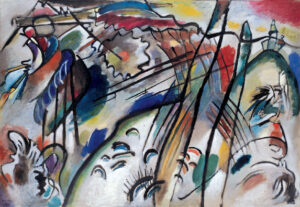
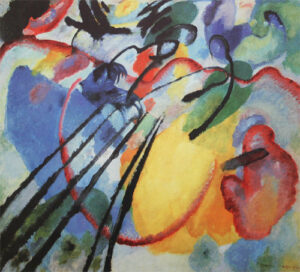
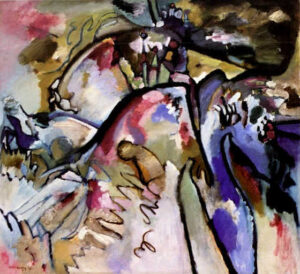
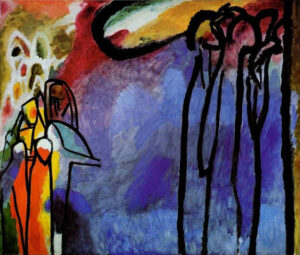
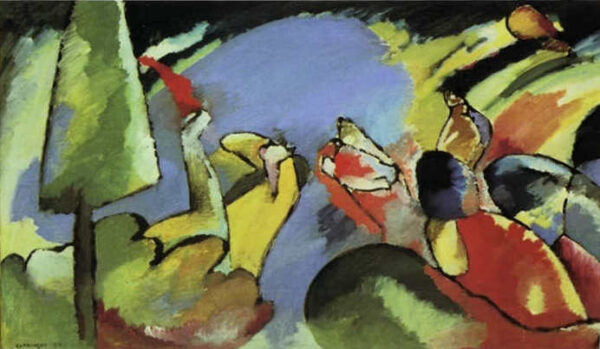
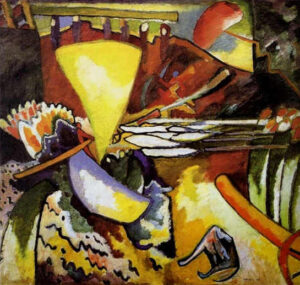
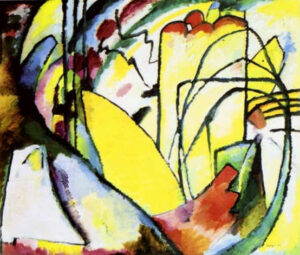
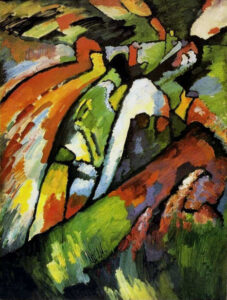
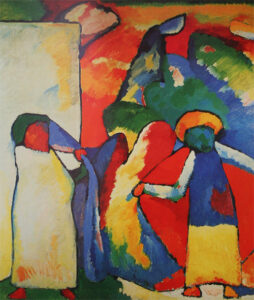
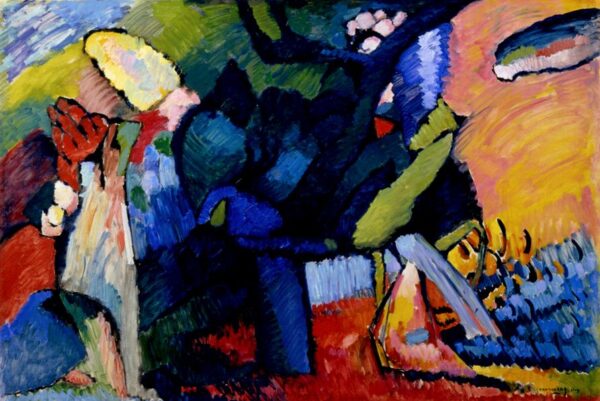
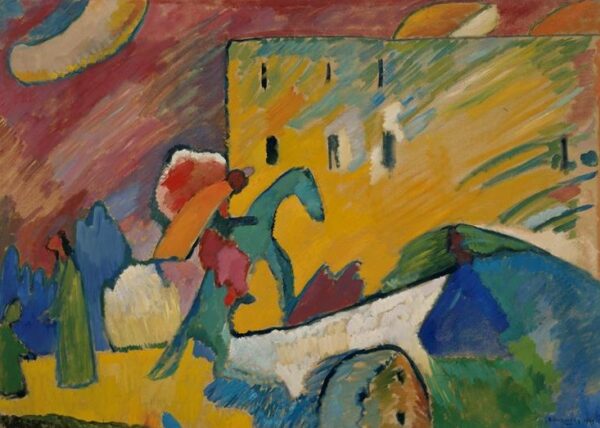
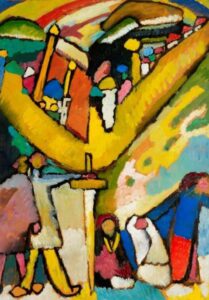
Kandinsky sorted his early abstract paintings into three kinds, Impressions, Improvisations and Compositions, and numbered them like pieces of music.
Looking for a painting that is not on this page? Search it by title. If it’s public domain, we paint it.
About the series
In his book On the Spiritual in Art, published in 1911, he explained the names. An Impression came from something seen in the world outside. An Improvisation came quickly and from within, without much planning. A Composition was built slowly over many studies until it was finished. He played the cello and the piano and thought colour could work on the viewer the way sound does on a listener.
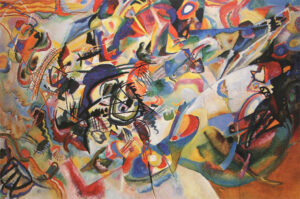
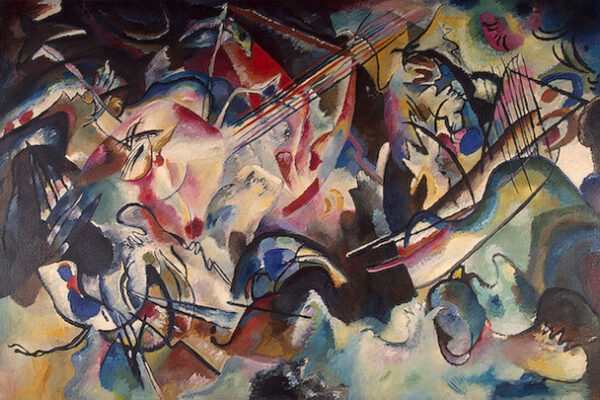
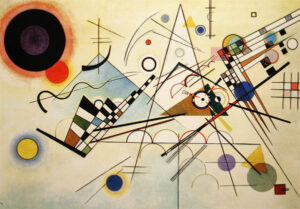
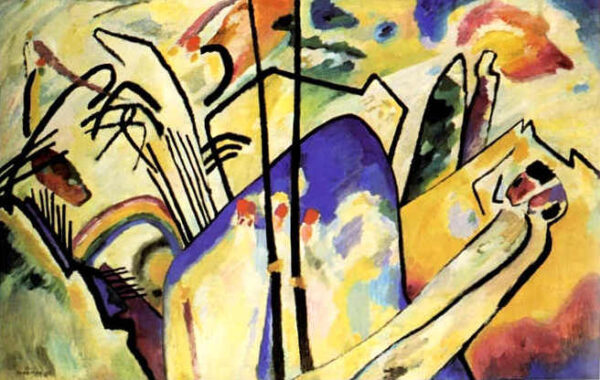
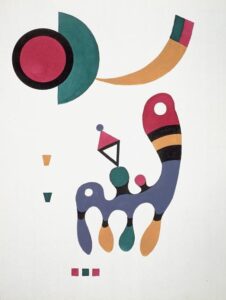
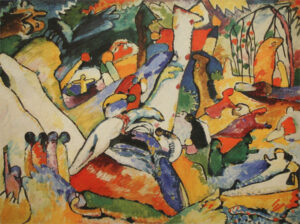
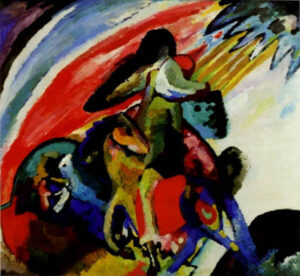
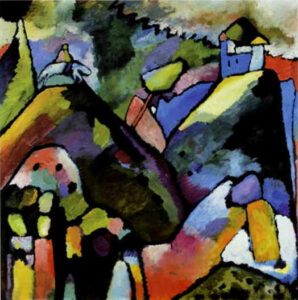
The Improvisations, painted in Munich between 1909 and 1914, still hold traces of riders, boats and hills. The Compositions go further towards pure colour and line. He painted ten in all. The first three were destroyed in the Second World War, so Composition II is known now from its study. Composition VII, from 1913, which he worked on through more than thirty studies, is in the Tretyakov Gallery in Moscow. Composition VIII, from 1923, painted at the Bauhaus with clear circles and lines, is in the Guggenheim in New York.
These paintings are about colour more than subject. They suit modern interiors and plain walls, and they bring a room to life without needing a story.